|
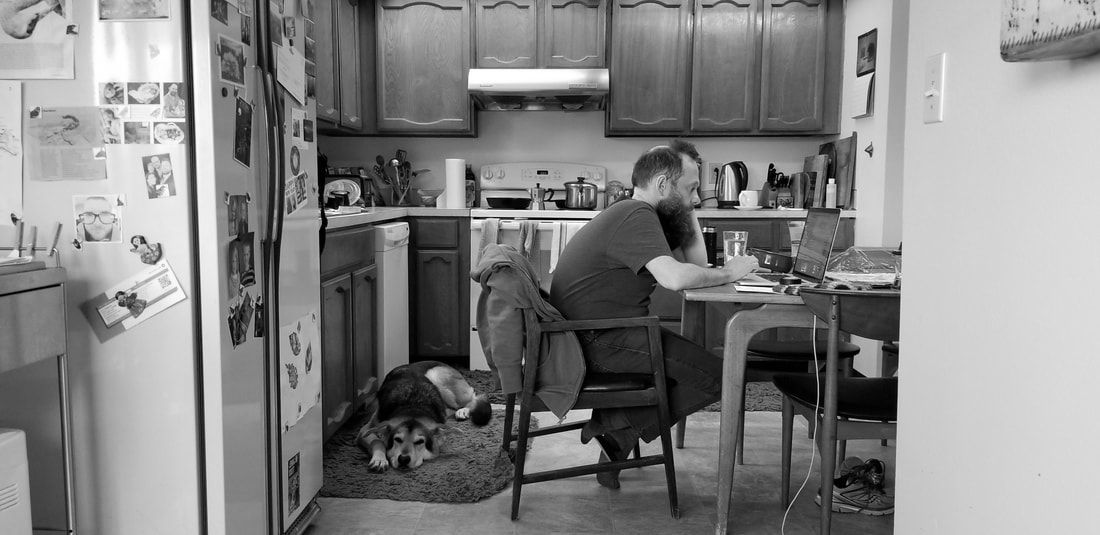
A third of the global population, approximately 2.6 billion people, are currently experiencing some kind of restrictions to their lives, their work, and their day to day existence. Many of us are sheltering in place with our devices. These screens keep us connected to our jobs, our schools, and our friends and family. It is likely we are spending more time in front of a screen than at any other point in our lives. 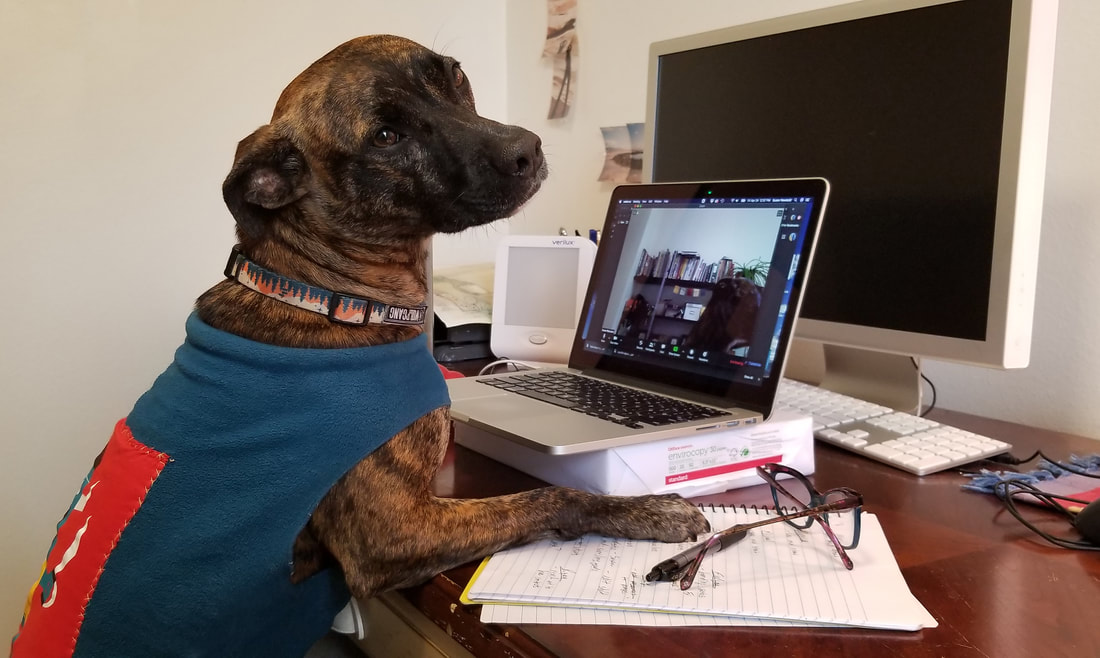 Why am I so exhausted? Part of what most of us are experiencing now is that our homes have become our workplaces, and our screens are the only connection to people outside of our own household. Video services like zoom dominate our day - whether we are conferencing with clients, chatting with co-workers, having a happy hour with friends, or a netflix watch party with family. The quality of our attention is different when we are online. Video chats require us to work harder to process non-verbal cues such as facial expressions, body language, and the tone and pitch of voices. We become hyper focused on the few available cues we can see, rather than the full range of body language available to us normally. It is this dissonance, of being together in mind, but separate in body that causes us to feel conflicted. Our bodies long for that energetic exchange, that limbic resonance, that happens with real life interactions. The direct eye contact we normally have during a conversation that makes us feel heard and understood isn’t present. There isn’t a way to relax naturally into the conversation, and this creates conflicting feelings of connection and disconnection to the people we most want to see and hear. We are also very aware of being watched. There is a performative pressure when you have a dozen heads staring back at you. One of those heads may very well be your own if you choose not to hide yourself on screen. We end up spending a lot of time looking at ourselves, how we appear, and how we are behaving. If you think you look awkward on camera, then you’ll be looking to confirm this bias as you watch yourself perform on screen. This social strain is nerve-wracking and can create unnecessary stress in an already fraught time. Introverts and extroverts alike can feel worn down by all of this high-intensity virtual connecting. Silence on screen adds another challenge. In normal circumstances, silence is a natural rhythm in conversation. In a video call, it is difficult to tell if the silence is real, or if your internet is lagging or unstable. Silence can make people uncomfortable, and this can lead to anxiety about your technology, and that you aren’t as focused during meetings. Video chatting doesn’t just drain our brain and our energy, it is also having a serious effect on our bodies. All day we are sitting in furniture that was not designed for long-term sitting. We get aching backs, headaches, and eye strain that can leave us feeling cranky and overwhelmed. After work and family commitments we are also failing to plan essential downtime, which may be another factor in our tiredness. Some of us are over-performing at our jobs, and putting higher expectations on ourselves due to worries over the economy, furloughs and job losses. So what do we do? How do we cope with this new reality?
 If nothing else, let’s be grateful for this technology that allows us to connect and work. When else will we be able to wear our pajamas to important meetings, or lovingly cuddle our pets while listening to budget predictions from our colleagues? Remember that some of us are in this for the long haul, and it is important to find ways to incorporate this technology into the full spectrum of interpersonal experiences that our new lives include. Pace yourself, be gentle, and practice as much kindness as you can. Images ©Susan MacLaren - Thanks to Pip for her emotive modeling.
 © Susan MacLaren 2020 As every small business owner knows, it is important to stay connected to your customers. With Covid-19, that has become a challenge, especially if you were not prepared for this sudden transition to social distancing. As a small business consultant, I’ve been getting questions about what tools I suggest for easing into an online existence. I decided to put together a few free resources to get you over the technology hurdle of engaging with your clients, staying connected to your income, and most of all, keeping your sanity intact. Free Meeting SchedulerI cannot stress how valuable it is to have your clients set their own meeting times without having to interact with you directly. It is a huge time saver. It means less back and forth emails, and availability for more clients. It means setting up your schedule to include sanity breaks for lunch, walking your dog, or simply sitting and staring into space. The easiest way to set up free online scheduling on your website is with Setmore. I like it because it integrates with all of the platforms I use the most: Facebook, Instagram, Slack, Google Calendar, Office 365, Weebly, and Square. Setmore has a clean, easy design. It provides auto-notifications and reminders, which means I never miss a meeting. Clients and customers are able to reschedule if necessary, so they never miss a meeting. It also allows you to collect payments upfront, which can bring important revenue to your business. If you use a Facebook Business Page as your website, you can use the free appointment scheduler they offer. Check here for the handy guide on getting it set up on your Facebook Business Page today. Zoom In For online meetings, it is important to use a service that won’t leave you frozen on the screen. Zoom is by far the best video conferencing service I’ve used. It’s free and unlimited for one on one meetings, or free for forty minutes with up to 100 participants. Participants can choose to call in or use the video chat function instantly, or at a scheduled meetup time. It allows each participant to share their desktop, application, or screen. It also has a texting function if you need to mention things without interrupting the speaker. Zoom also allows you to schedule a meeting directly from Google Calendar or Office 365. Once you sign up for Zoom, download the extension you need and you’ll be ready to face to face, or face to ear, right from your calendar. Track Your TimeAs a consultant, one of the easiest ways to lose revenue is by forgetting to pay attention to your time when talking with clients. Now that people are relegated to working from home, it’s helpful to have a consistent account of how you spend your workday; for yourself, for your clients, or for your boss.
A great free service for tracking time is Toggl. Toggl has a clean, easy to use interface that is multi-functional. You can set billable rates and track in real-time, manually, or with calendar integrations. You can start the timer on your phone while on a walk, and then turn it off on your desktop when you get home. Toggl allows you to create instant reports for your time - perfect for attaching to those client invoices or to make your boss happy. In this time of global pandemic weirdness, it turns out technology may be a bit of a savior. Working remotely shouldn’t be a scary endeavor for you, for your business, or for your client base. These free services are just a few of the many available, but they are little life-lines for me, and for my mental health. Creativity is at the very heart of science and art. It drives the passion that allows us to explore and express new findings, while satisfying our innermost curiosity. Science frames our world-view based on relevant facts and data, while art translates our lived experience into personal expression.
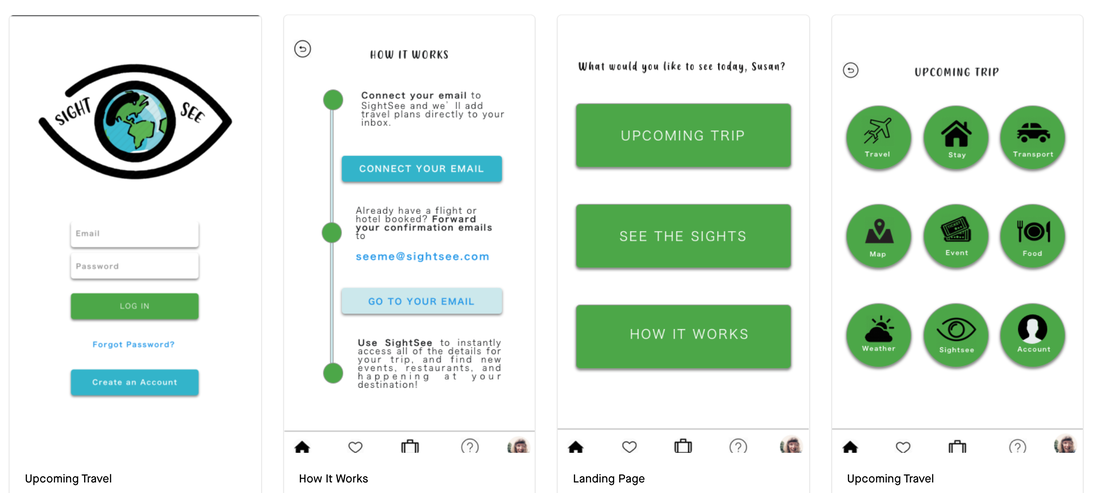
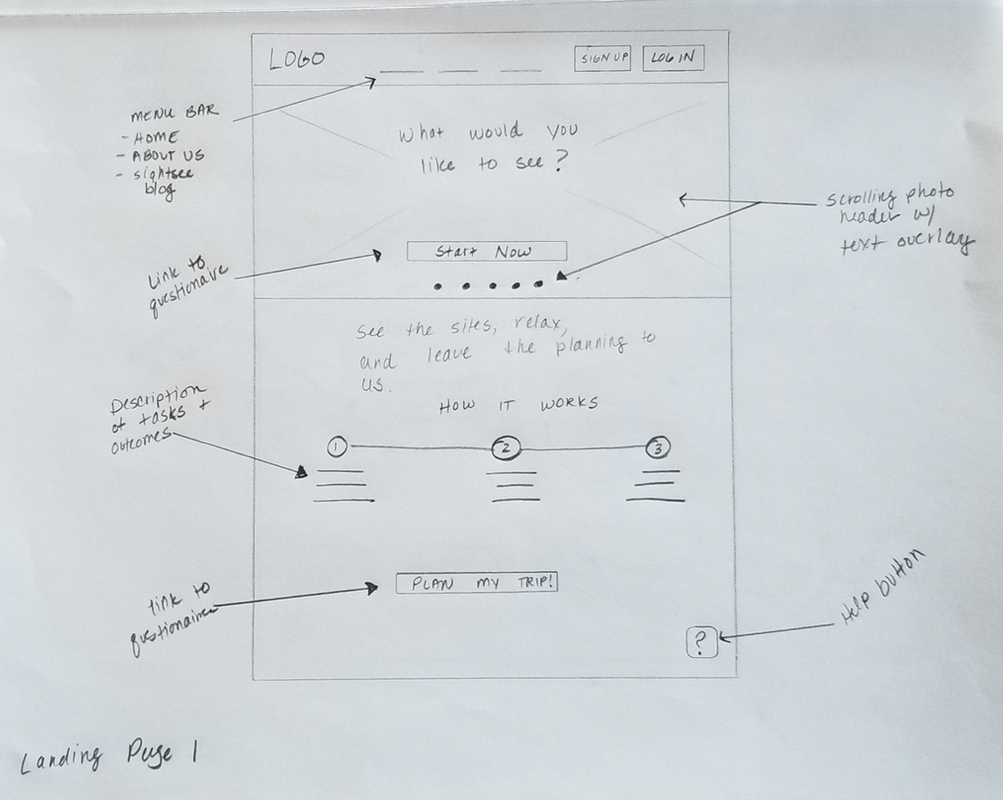
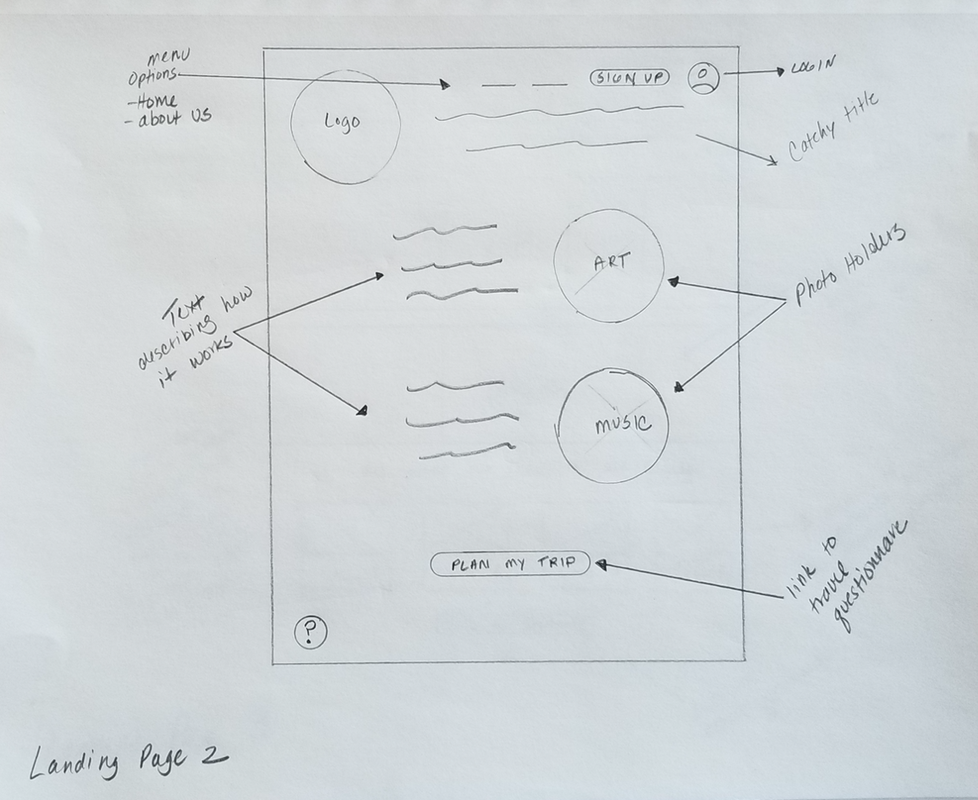
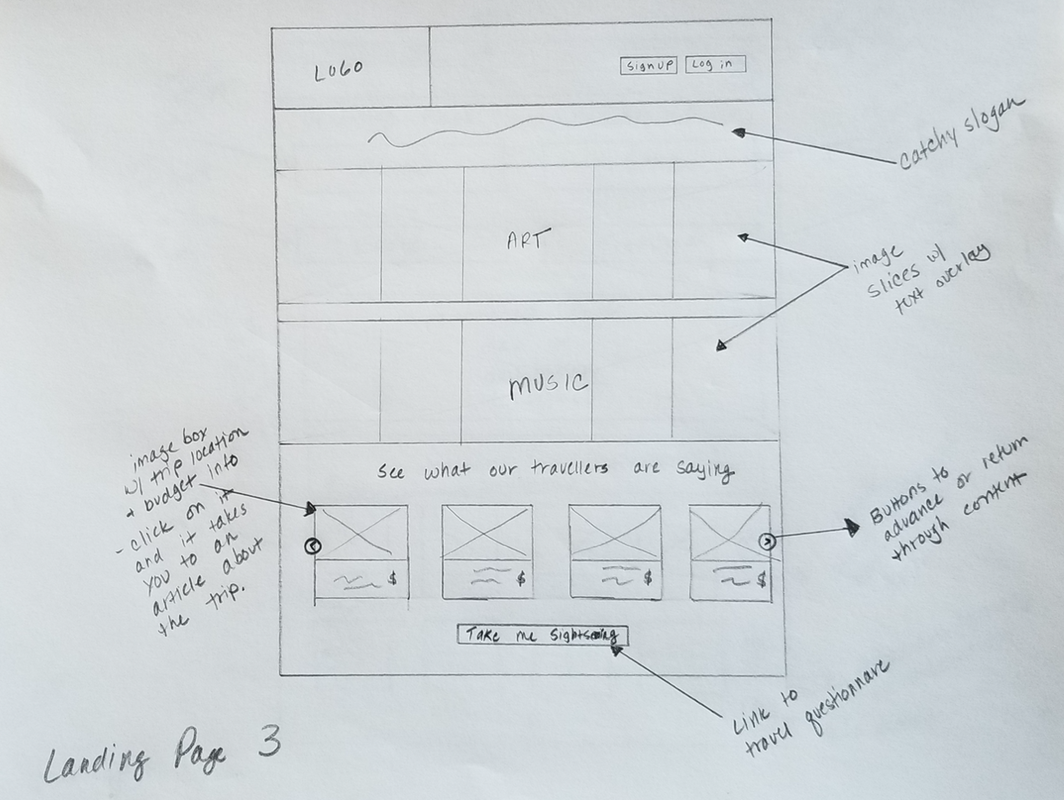
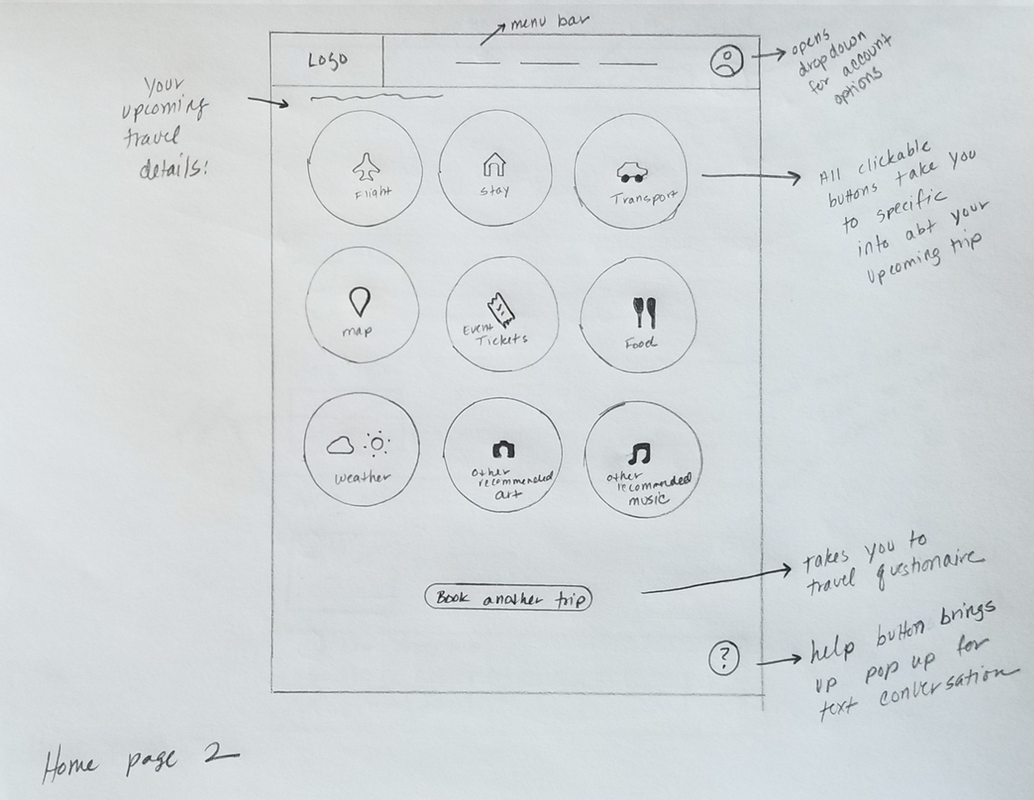
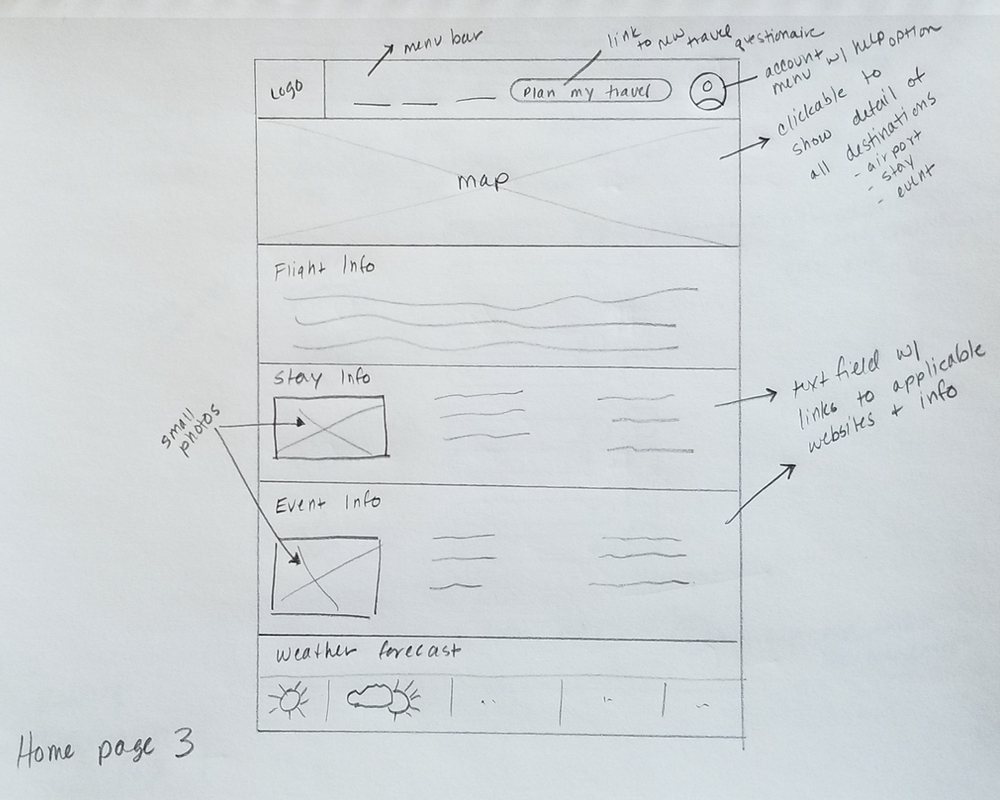
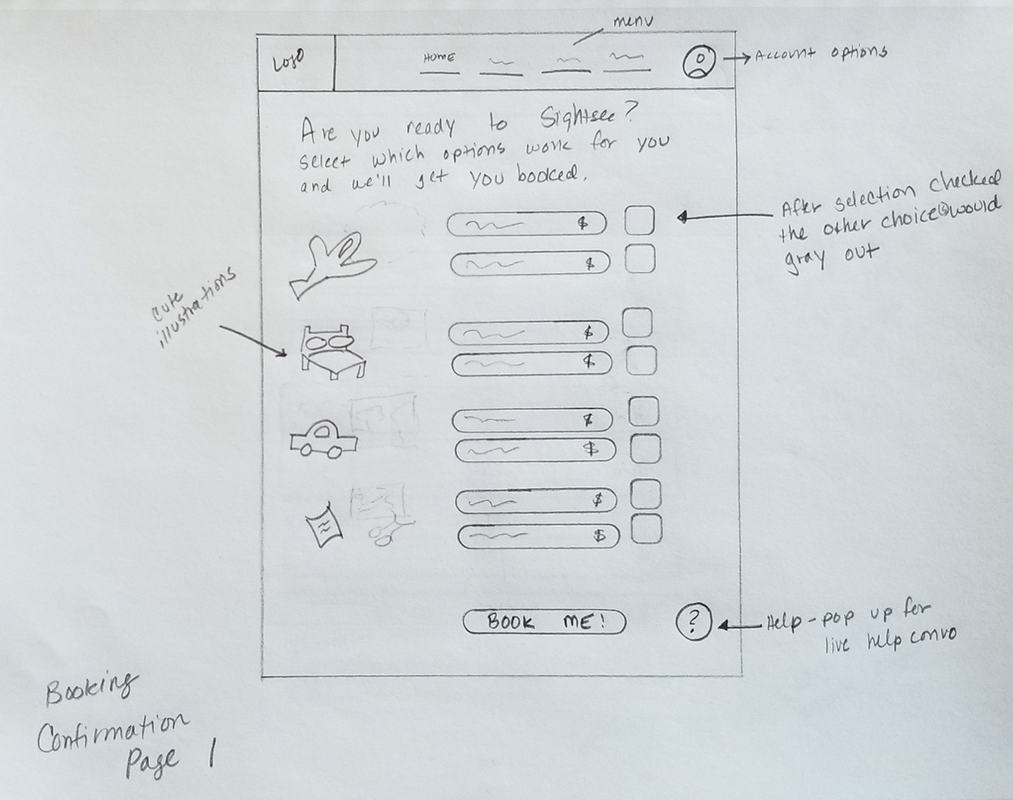
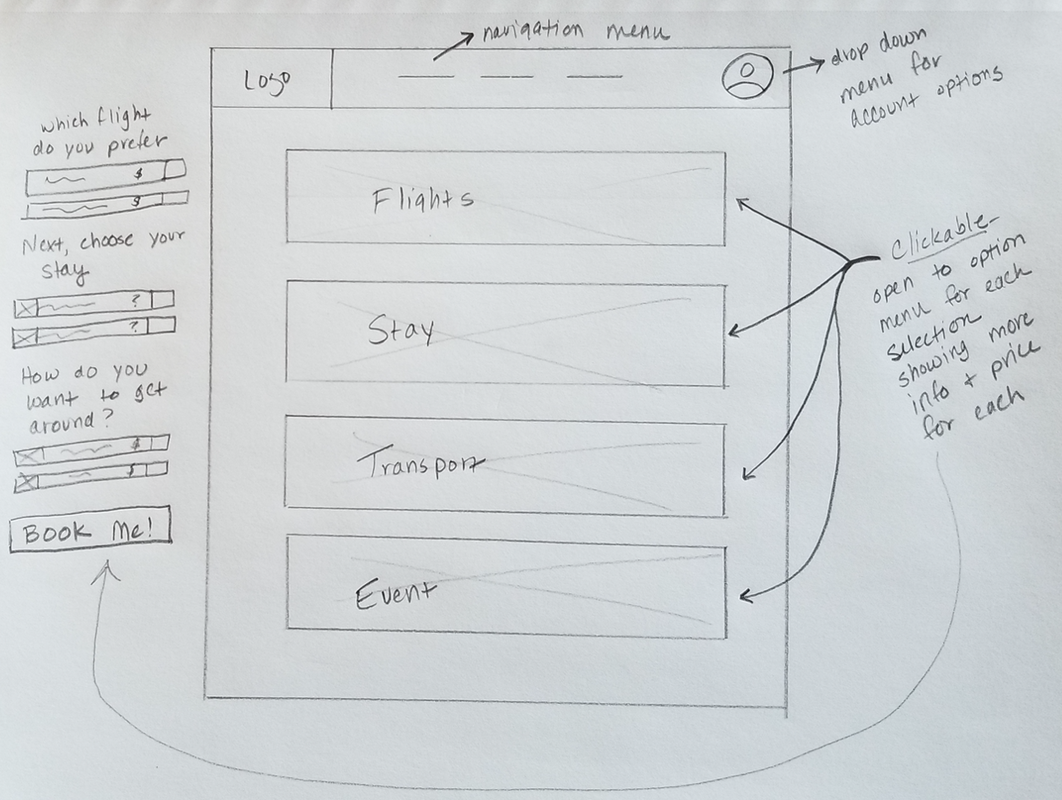
Today, we have a new climate reality. Scientists and policy makers struggle to gain support over meaningful environmental action on climate change. More than ever we need the rational, practical knowledge of science to help us understand the urgency of our situation. We also have a real need to explore this unfamiliar emotional terrain, to engage on an aesthetic level, and to create action through strong feelings of connection. Art can help people conceive of a different existence. Artists can make the invisible visible, and the unimaginable real. Art has always been a powerful cultural symbol for making sense of our world and how we feel about it. The Pacific Northwest is no stranger to climate change. While the effects are not as readily seen, it is clear that climatic shifts are beginning to alter our region with less snowpack, warmer days, flooding, sea-level rise, ocean acidification, and record-breaking wildfires. Using the framework of science, art, and climate change in the Pacific Northwest, I will explore the history of environmental art, and the artists and art organizations working on these issues today. Questions I am interested in exploring are: How has art shaped and influenced the climate discussion in our region? Are artists and art organizations affecting perceptions of climate change in our community? What sort of reactions have they seen from the public? What plans do these artists and organizations have for future engagement around the topic? How are they dealing with the emotional repercussions of climate change? How can artists and art organizations help create action and policy change in our region? Using research, current news, past and upcoming exhibits, and interviews with artists and art institutions, I will create a profile of contemporary art and climate change in our region. As part of my research I will collect relevant images, exhibit announcements, and portraits of the artists. My end goal will be to design and create a physical book in which to share with the artists and organizations I have profiled, and anyone else who may be interested in the topic. The relevance of art in science communication cannot be overlooked. Over the last decade, climate communication research has raised awareness of the critical role of framing in influencing how people respond to information, and the way reasoning occurs. By overstating the scientific and economic framing of climate change, we have missed the mark on understanding the deeper importance of tapping into emotions, values, and social and cultural identities. Art can bridge this gap by creating a broad narrative, a tactile or visceral experience, and raw emotional engagement to current and future realities of a world enmeshed in climate crisis. Let’s hope it isn’t too late. Have you ever arrived at the airport to realize you forgot to dig the confirmation number out of your email? Perhaps once at your destination you realized you weren’t prepared for snow? Travel can bring many headaches - being unprepared shouldn’t be one of them. Sightsee is an idea for a mobile app that would pull travel confirmations directly from your email account and store that information for easy access while traveling. It would provide maps, reservation information, local transportation options, up-to-date weather for your location, keep your travel documents safe and handy, and suggest events at your destination. While Sightsee isn't real, the process helped me think through the design problem and begin to build a useful solution for users. Have a conversationSince this was my first attempt at creating an app, I wanted to talk to people about their travel experiences. I chose five candidates ranging in age from 34 to 75. All of them travel often, use apps or websites to book travel, and are comfortable using the internet. I asked a range of questions to prompt responses about the last trip they booked, which apps they used, what they enjoyed about the experience, and what could be improved. I also asked specific questions related to my idea in order to gauge what level of interest they had in using a travel app. I learned that most everyone had a preferred booking app, and while they search around for price, they always book on the same app. They do so because it’s easy, the interface works well, and they know what to expect. All of those interviewed were interested in an app that provided maps, weather, and showed them local events they might not find otherwise. Map out user detailsInitially, I thought I'd create a booking app that accounted for budget, user favorites, and catered specifically to art and music lovers. This is how I mapped the user journey. Visualizing the pain points and outcomes helped show me where opportunities exist to improve the overall experience, particularly during the vacation. 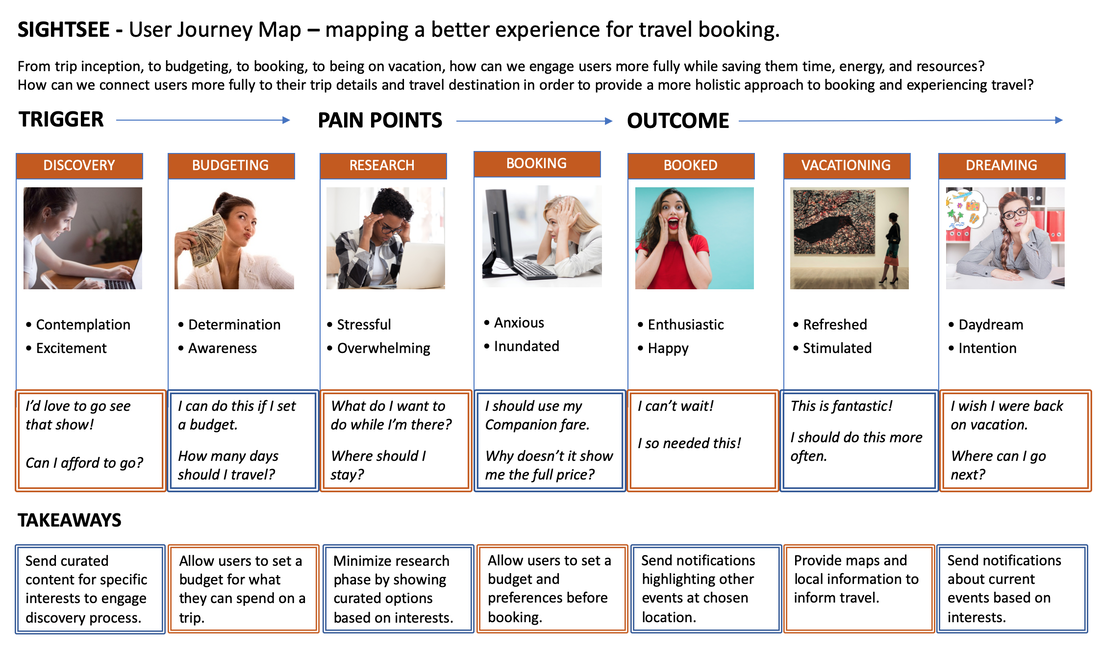 Consider the competition Now that I had a clearer understanding of my user needs, it was time to see what my competition was offering. Analyzing competitors allowed me to see what was working on their platforms, any design elements worth noting, the overall navigational flow, and the organization of information on each page. It’s helpful to look at apps and websites that directly relate to what you are thinking of designing, as well as those that are only functionally similar. 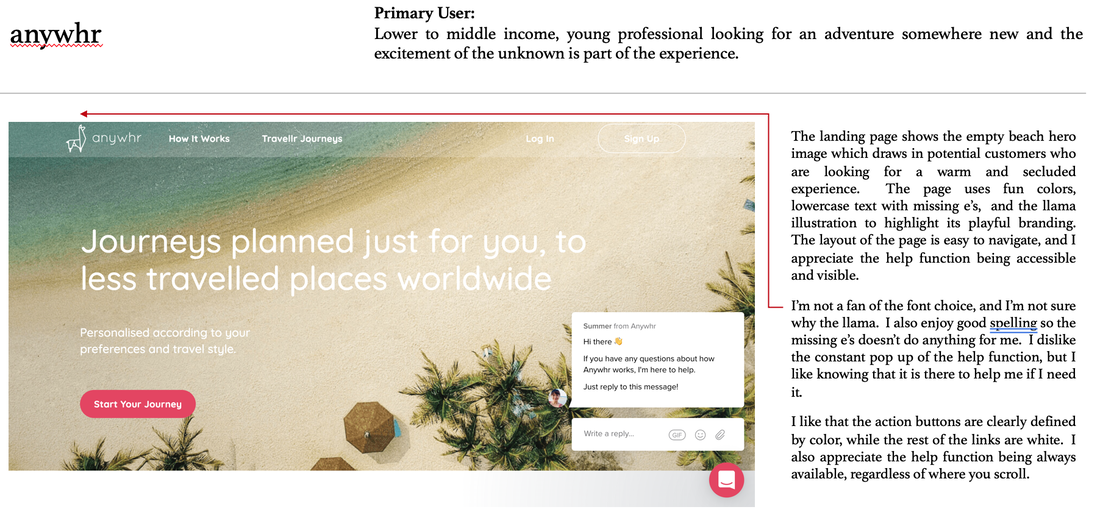 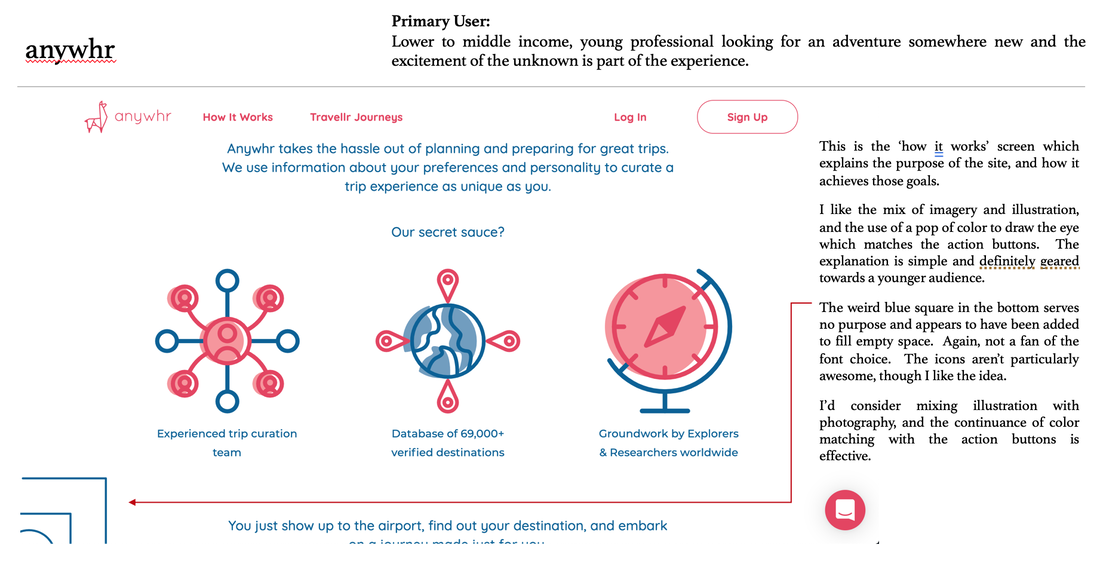 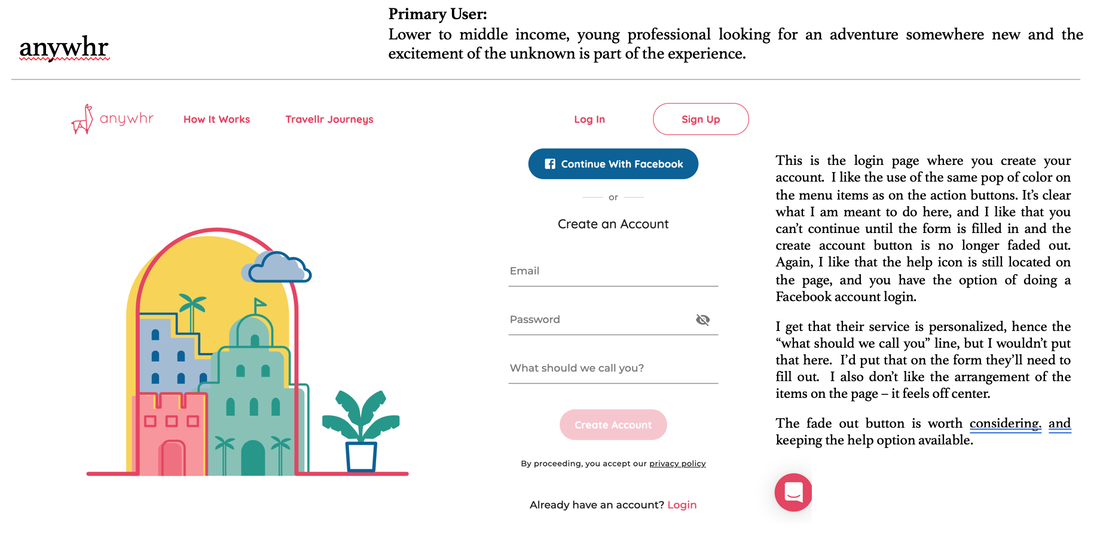 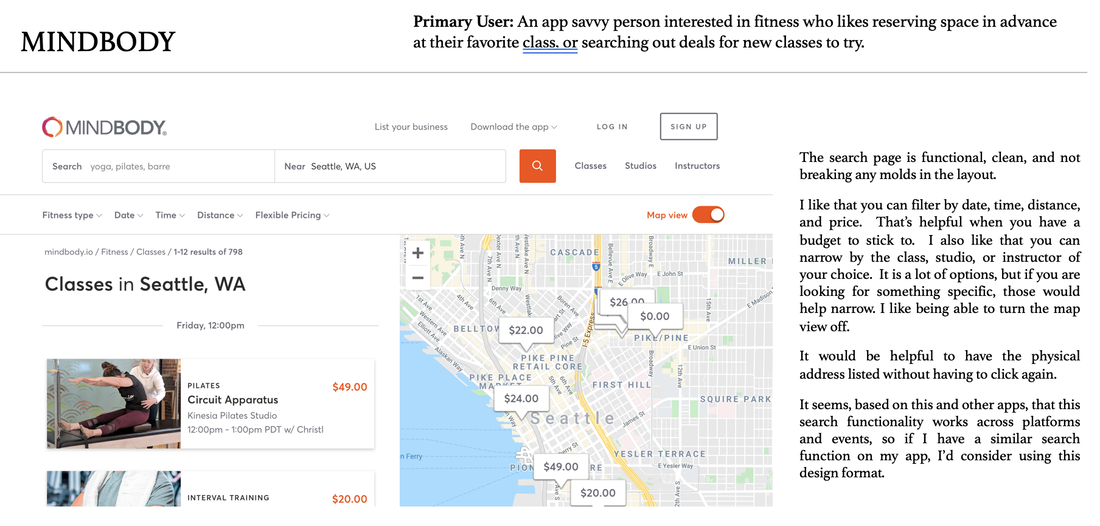 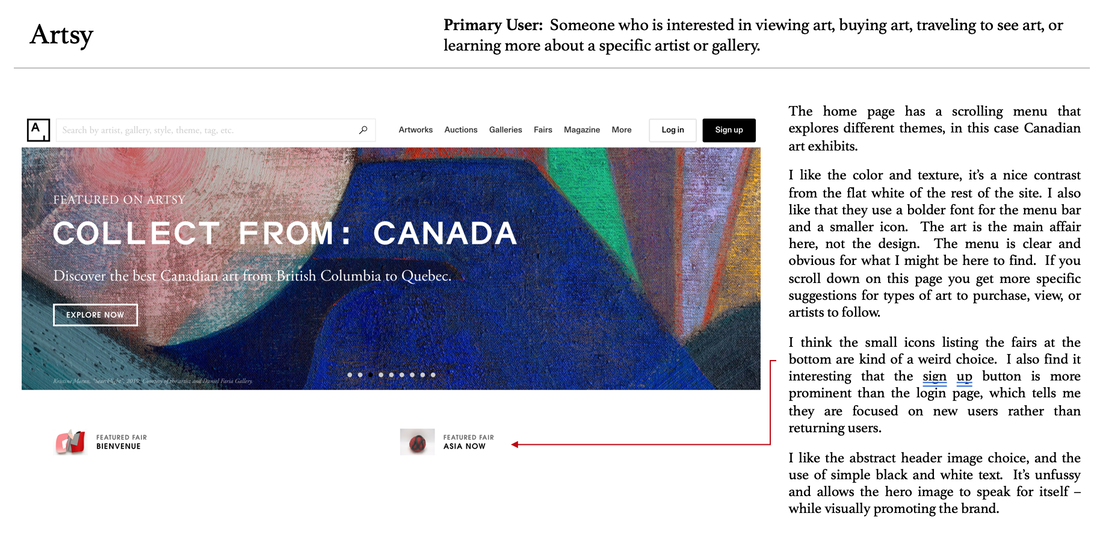  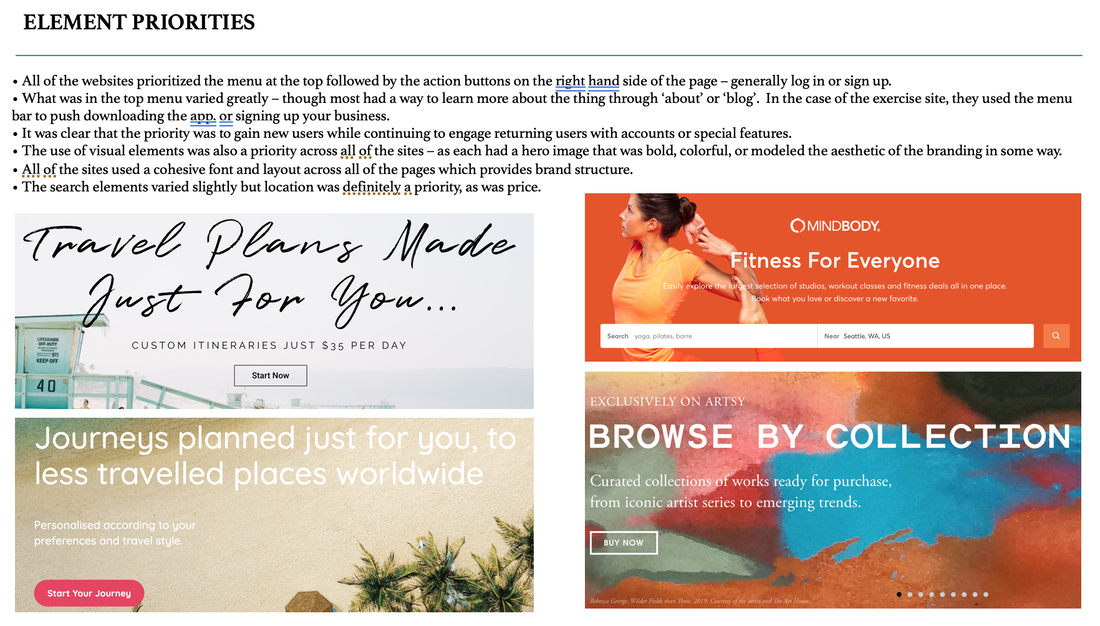 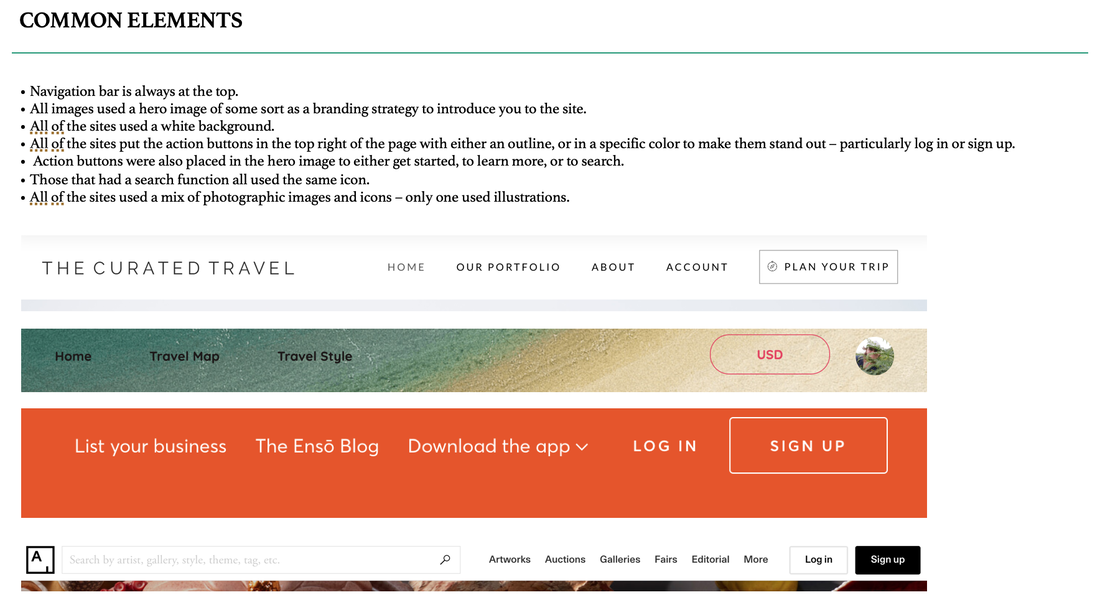 Navigate the experience With a head full of design ideas, I began to consider how a user would navigate through the experience I wanted to create. At this point I’m still working on the idea of a travel booking app, yet I’m already beginning to see the issues. I also know that my users like the apps they use for booking travel, and this is giving me pause. Regardless, the task flow provided a simple way to present the core navigation for the app, and to see how those actions would be interconnected. It’s a great way to work out the kinks, and to think about what I needed to include. I found that it helped to make a list of the steps on paper prior to mapping out the flowchart digitally. 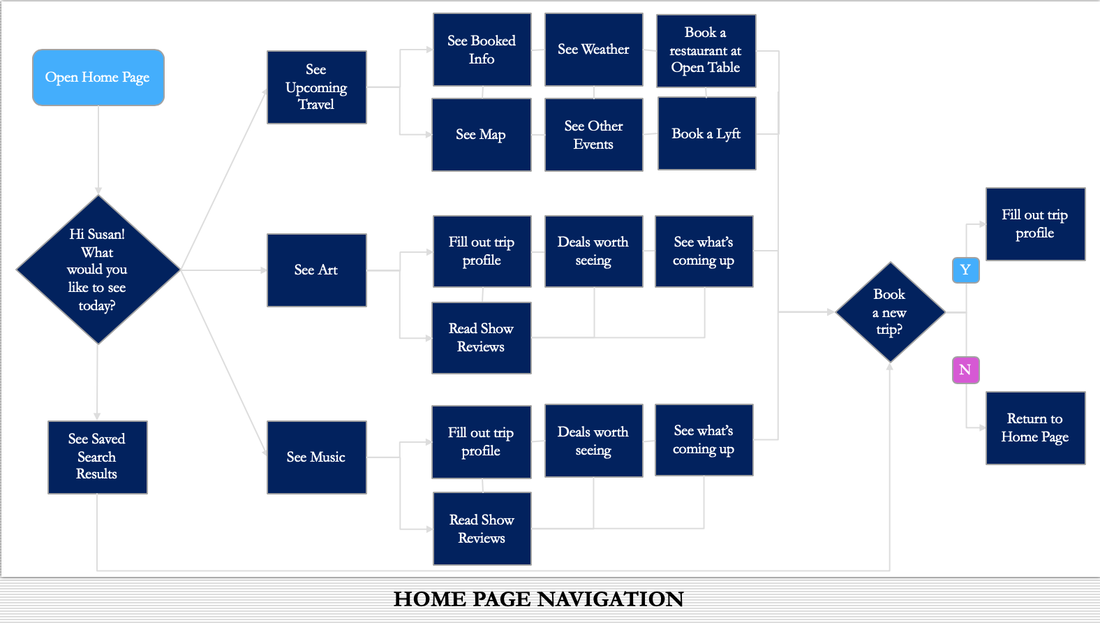 Paper and pencil Once I had the basic navigation in mind, I started to explore ideas for the design. It’s important to go a little bit crazy during the sketching phase and push yourself to look at what you are designing, what the iterations might be, and what the useful points of each look like. Sketching on paper is a great way to do this. It’s quick, it’s simple, and you don’t have to be great at drawing to hash out lots of ideas. Making it digitalUsing feedback from colleagues on my sketches, I began to narrow in on the actual design. I used Sketch to build basic wireframes. I found it productive to lay out multiple ideas and problem solve specific issues that came up in the feedback I’d received. I'm also aware that I haven't solved my user problem here, and I start to take a hard look at how to make that happen. 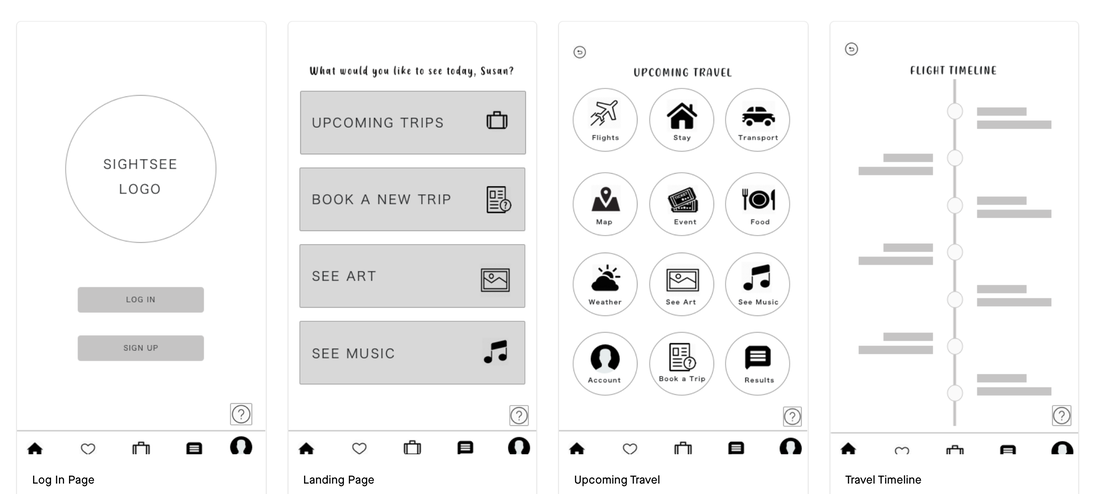 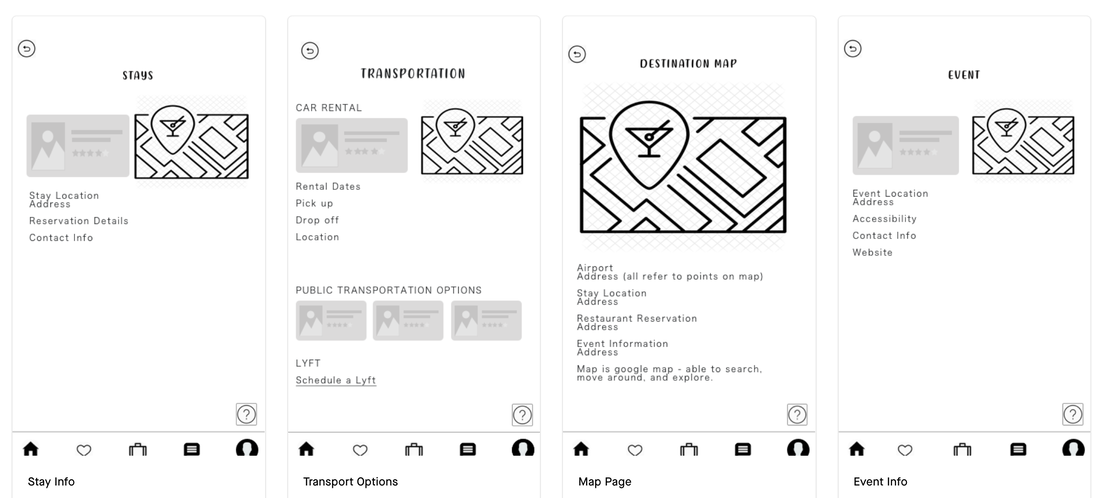 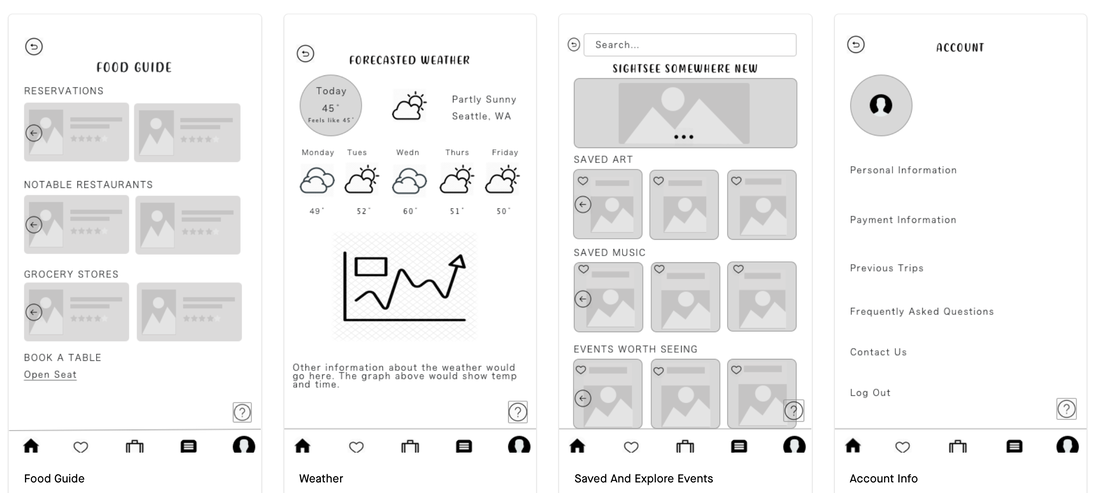 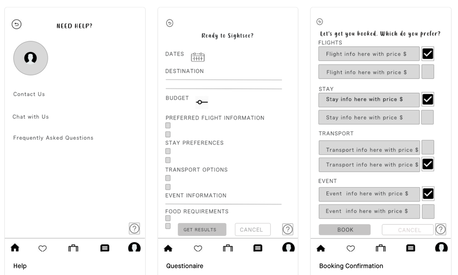 Site mappingTo work through the navigation, I found it helpful to create a site map. I wrote out each step on paper first, which helped me see what was missing, where my users might get stuck, and how to organize the connections. I begin to focus my design on creating a mobile application that organizes your booking confirmations and travel details in one place, rather than on creating a booking app. 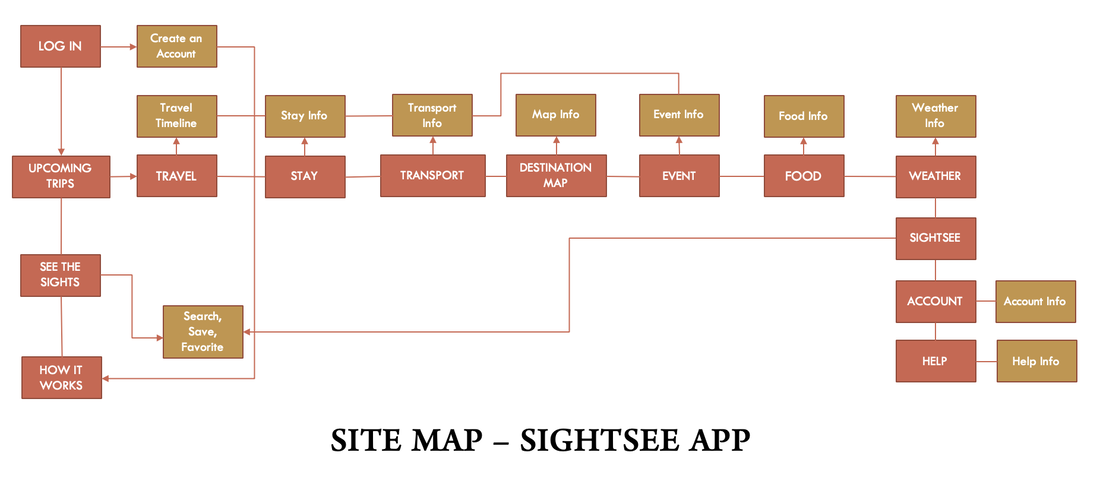 Click through testingOnce I had the site map, it was easy to create the navigation for the prototype. Moving my designs to Invision, I was able to build a shareable and clickable version for participants to use during testing. Using a high-def design with color and content meant that I could illicit more specific feedback from my participants. To test the functionality of the app, I had my users perform tasks:
 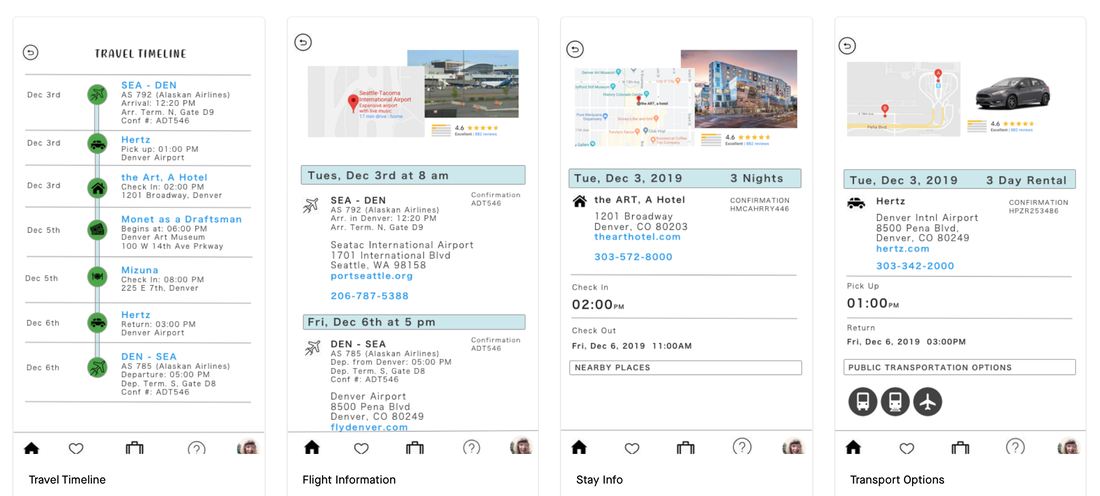 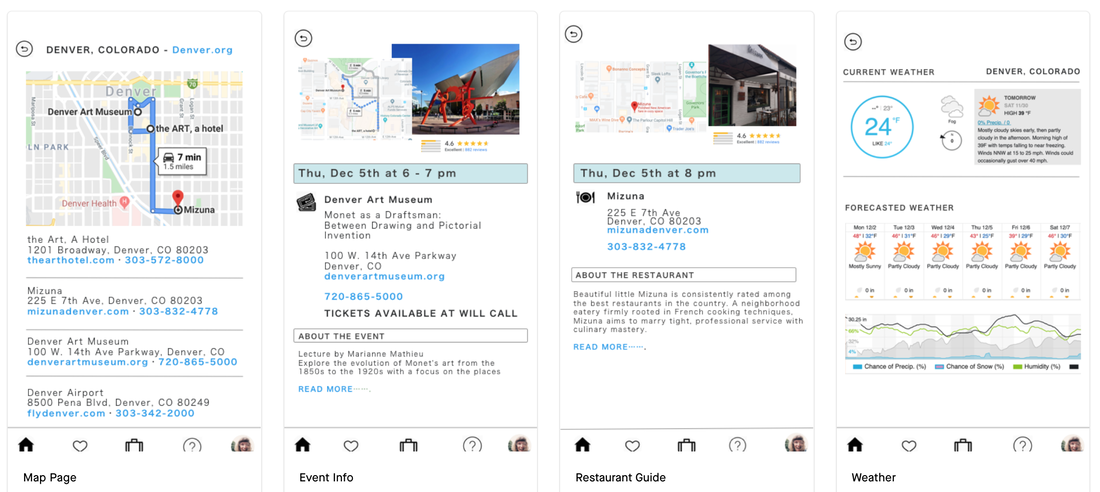 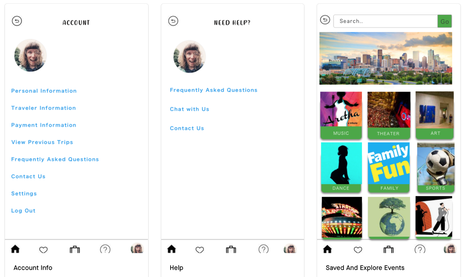 Testing ResultsEach participant quickly navigated to the information requested using multiple paths. The participants had a positive response to the design, maps, and layout of the information on each page. They appreciated that addresses, websites, and phone numbers were located on more than one page so that they did not have to click around. Things worth considering in future iterations are:
What I learnedDon't be afraid of big change. Keeping your users in mind throughout the design process is extremely important. Initially, I wanted to build a better booking app. What I realized is that I wasn't meeting the needs of the people I had interviewed. Luckily, in reconsidering my user experiences, taking a closer look at the pain points and opportunities, and thinking through competitor apps, I found a more elegant solution to the problem.
 A client once told me I was a terrible writer. In fact, he had hired me to write for him, and I’d been doing so successfully for three years. Yet, his focus was on a specific instance of writing he disagreed with rather than on the big picture of my overall performance. His feedback became a blanket statement about my worth, rather than an instructive critique on a piece that clearly didn’t resonate.
In HBR’s article “The Feedback Fallacy,” Marcus Buckingham and Ashley Goodall discuss how unreliable humans are at rating others. We are fallible, full of preconceived notions, experiences that color biases, and, to top it off, each of us has a different definition of what “good” is. Don’t Make it Personal While the relationship with my client ended shortly after this abrupt critique, I reflected on what happened. The personal nature of the statement didn’t reflect what I believed were the values of the business I represented. This is a common trap with feedback. Often, feedback is delivered with bias from personal preference of the giver, rather than with consideration for the goals of the organization. Be strategic about developing goals, and take the emotion out of the feedback. Focus instead on what works, and figure out a collaborative way to cultivate that strength moving forward. Use Your Words Criticism is uncomfortable, even in the best of times. Hearing I was a terrible writer caused me to shut down, silencing any rebuttal or conversation around how I could improve. Not only that, but I had a bruised ego and a lack of direction. Instead, had the client communicated clearly and concisely about what I had written, and asked me to be more conscious of x, y, and z, the interaction would have ended differently. By linking feedback to a tangible outcome, I would have had relevant information to serve the needs of my client more effectively. He, too, would have seen reward by investing in my skills and the continued improvement of his business. Timing is Everything When to deliver feedback is as important as the content. In my scenario, the client decided to let me know how he felt about my work in front of another colleague, rather than in his office. It was clear my client hadn’t prepared in advance for this moment, and his off-the-cuff remark effectively ended our working relationship. Sharing is Caring Delivering feedback is a struggle for the best of us. Rather than giving information to help empower performance, leaders are often guilty of demotivating people with basic reprimands or critiques on single-episode events. Feedback should be an ongoing tool to provide insight into how a person’s habits and behaviors can improve to make them more successful. Creating feedback requires careful thought and insightful instruction to be truly useful. Be clear, direct, and deliver it with empathy. When you get feedback right, it shows you care.  © Susan MacLaren, 2019 We women business owners are the lifeblood of the American economy. We transform the way people work, we solve problems, we boost job growth, and we are the epitome of the entrepreneurial spirit.
Since 1976, the year I was born, the number of women-owned businesses has increased from roughly 400,000 to over 12.3 million in 2018. Between 2017 and 2018, roughly 1,821 new women-owned businesses were created per day. In The Fearless Organization: Creating Psychological Safety in the Workplace for Learning, Innovation, and Growth, author Amy Edmondson explores businesses that create environments where creativity and ingenuity can thrive. Edmondson dives deep into work culture where fear is driven out and replaced by interpersonal risk taking, open communication, and the permission to take ownership of the work we do. Taking ownership was precisely the reason I started my small business. After years of working for others, I felt a strong desire to create a work situation where I could be fully present, engaged, and candid with clients who sought out my skills and expertise. It is important that my input is valued, and that I create authentic working relationships with people who recognize the importance of voicing ideas, questions, and concerns. Women face many challenges in a typical work environment. We are often tasked with work chores such as coffee fetching, note taking, or cleaning. Our voices go unheard, our ideas get co-opted, and we are routinely passed over for promotions and leadership positions. It is not uncommon to feel uncomfortable or under-appreciated for the values we bring. Starting a small business allows women to develop a leadership identity which can help foster a dedicated sense of purpose. It requires that you look outside of the status quo to find an opportunity that aligns with your personal values, and pursue it despite your fears and insecurities. It enables women to set their own schedules, to be paid fairly and equitably, and to be in control of choosing who they work with, and for how long. Being fearless is at the core of small business ownership. It requires a certain amount of risk taking, learning on the fly, and direct communication to navigate the world on our own. Most importantly, we get to create a trusting environment that brings out the best in each person, creates meaningful exchanges, and allows us to take pride in the work we do. Who wouldn’t want that? Cited: The 2018 State of Women Owned Businesses Report, American Express. https://about.americanexpress.com/files/doc_library/file/2018-state-of-women-owned-businesses-report.pdf Edmondson, Amy C. The Fearless Organization: Creating Psychological Safety in the Workplace for Learning, Innovation, and Growth. Hoboken, NJ: John Wiley & Sons, 2018. Summer is lots of things to me - BBQ's with friends, camping, backpacking, kayaking, swimming. Notice a theme, here? The outdoors play an essential role in my calendar. The other factor, which can thwart the best laid plans, is fire. I am certain you've all heard the news surrounding the fires in Washington, Oregon, and California. Every year it seems we have a few weeks where we are ensconced in smoke from flames that are miles and miles away, or occasionally, right down the road. This led me to think about how art and artists play with fire. I was first reminded of Cai Guo-Qiang. (For those of you in the know, he was the artist responsible for the "Tumbling Tauruses" hanging in the lobby at the Seattle Art Museum.) Guo-Qiang works specifically with gunpowder, or huoyao - which means "fire medicine." Most recognized for his site-specific projects, his work features the use of "explosion events." Using large fireworks displays and extensive trails of gunpowder, his works have spanned landscapes, propelled off building tops, and ignited footsteps in rhythmic time across cities.  Cai Guo Qiang, “Remembrance,” chapter two of Elegy, an explosion event for the opening of “Cai Guo-Qiang: The Ninth Wave,” Courtesy of photographer Lin Yi. One of Cai's most notorious explosion events was "Sky Ladder." The project, two decades in the making, had many false starts and stops. From bad weather, to security concerns, to forest fire risks, Cai was stymied with the process of seeking official permission. Eventually, he went ahead without it. “This is where I want to make a ladder to connect the Earth to the universe."  Cai Guo Qiang, Sky Ladder (2015). Courtesy of Cai Studio/Netflix. Sky Ladder was realized in secret at Huiyu Island Harbour, Quanzhou, Fujian, on June 15, 2015 at 4:49 am, and was a dedication to his 100 year old grandmother, who died a month later. It was a fitting tribute, not only to his dear grandmother, but to the idea of gunpowder as being a "fire medicine," and one of China's most significant contributions to the world. “They were actually looking for an elixir to make themselves immortal,” said Guo-Qiang. The fireworks industry has clearly reaped the rewards of Cai's artistic innovation and use, and works alongside him to develop his creations and bring his increasingly complex visions to life. But these explosion events are only one side of Cai Guo-Qiang. He also harnesses the elements of the medium for his gunpowder paintings. 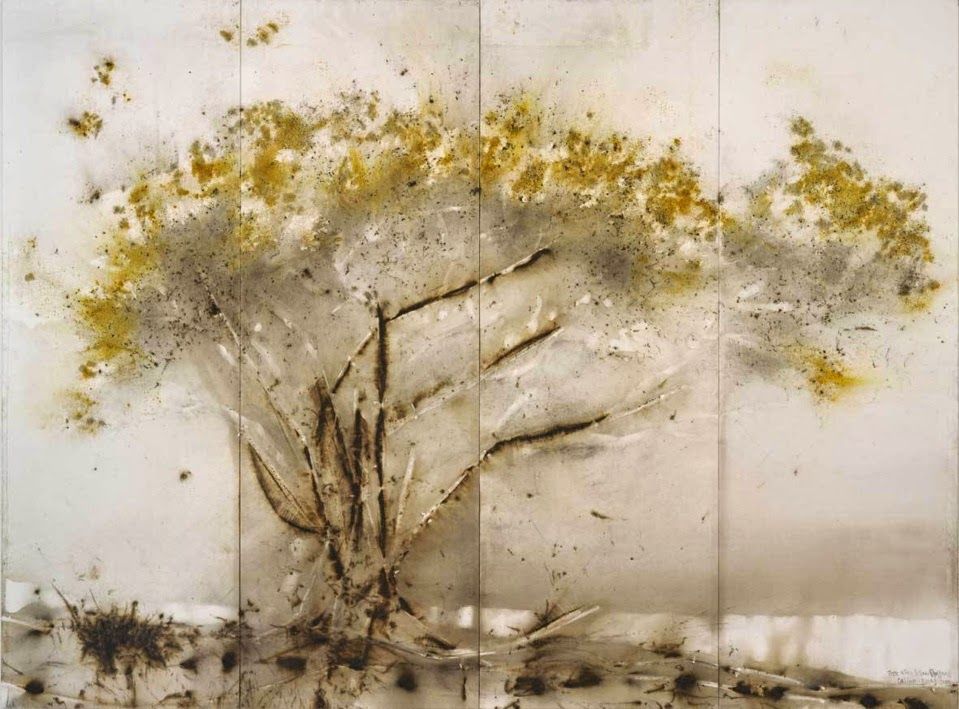 Tree with Yellow Blossoms, Cai Guo-Qiang, 2009 Cai's gunpowder paintings are a spontaneous act of careful preparation. The thought-provoking designs are generally natural forms that generate a feeling of wildness and wind in the composition. Once drawn, he sprinkles gunpowder over the canvas, covers it, and ignites it. "There's always a prevalent sense of anxiety and uncontrollability in the work — and that's a lot like life," he explains. It's kind of hard to imagine, right? Watch this for a fantastic glimpse into his process. The use of fire to destroy is prevalent in art and art history. For example, in 1970, John Baldessari burned all of the paintings he created between 1953 and 1966. From the ashes of those paintings, he created a new piece entitled, "The Cremation Project." The piece consisted of the ashes of his work, which he baked into cookies and placed in an urn. The bronze plaque that accompanies the piece has the birth and death of each painting, as well as the recipe for making the cookies. With Cai and John, fire is used as a tool of renewal and expression. A way to both create, and recreate using the unpredictability of a medium known for destruction. In a sense, the cremation and explosion becomes a metaphor for the human life cycle in a piece of art. Joan Miró took a slightly different view. In the 1970's, angered and frustrated by the politics of Spain, Miró began a series of works he called "burnt and lacerated canvasses." ‘I love to work with fire. Fire has unforeseeable reactions. It destroys less than it transforms, it acts on what it burns with an inventive force which possesses magic. I wanted to paint with fire and by fire.’ ‘The artist does not live in bliss. He is sensitive to the world, to the pulsation of his time, to the events which compel him to act. This is bound to happen. This is not an intellectual attitude but a profound feeling, something like a cry of joy which delivers you from anguish.’ I don't think I could say it any better than that. Have a safe summer - and remember - always put your campfire out before you go. 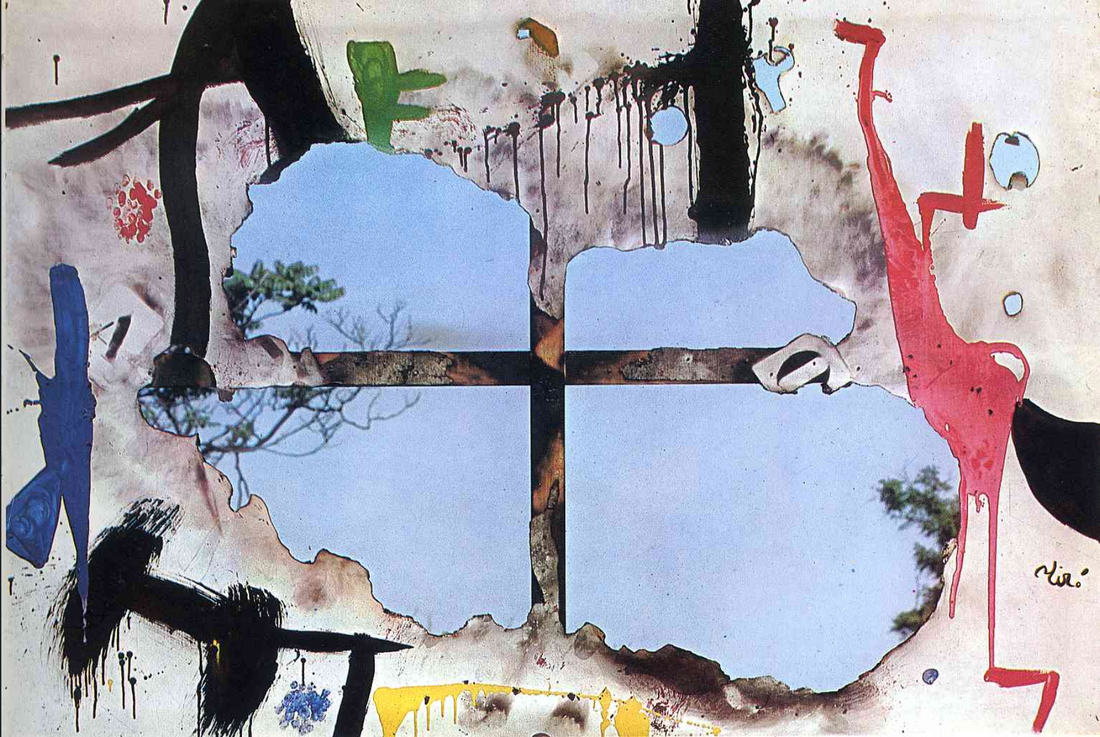 © Joan Miró, Burnt Canvas I, 1973.
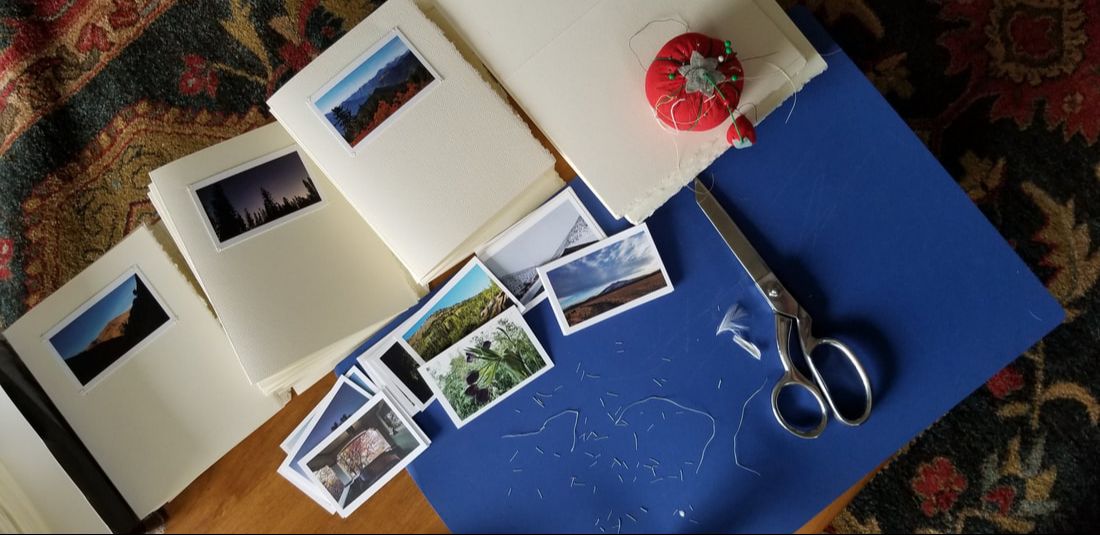 Exciting news! I've been accepted into the University of Washington Graduate School of Communications! Yippee! What does that mean? That means I need to sell some stuff to help me pay my way.
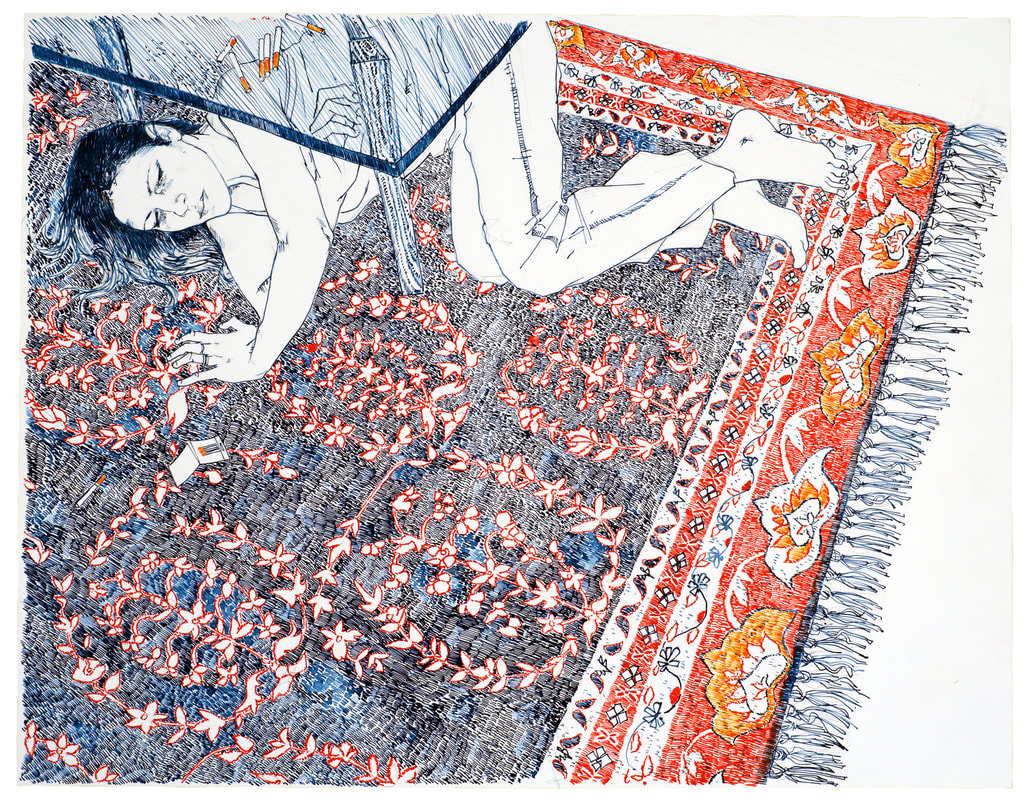
So I'm having a Grad School Sale! That's right, from now until August 15th, I'm selling everything at 25% off! It's a bargain!! Hop on over to my Etsy shop and check it out! Or, click on your favorite piece in Handmade Art, and I'll ship it to you. I'll be adding inventory as the month rolls along, so it something doesn't catch your fancy now, it might later! Keep checking back! I love color. I enjoy the reaction of color that happens in different light situations, the playfulness of color in fashion, and the way a variety of visual artists use color to accent, disguise, and illustrate. Color has a way of colliding in certain ways that can attract or even detract the eye. It can be used in subtle gestures to move the eye through a frame, or to boldly declare small intentions of space. Take Hope Gangloff, who's work I admire, for example. Her ability to create visual narratives using simple, everyday still life moments using her friends, her family, and her living space create a richness in her artistic style. Her bold use of color creates dramatic texture, playful patterns, and an unusual sense of movement and scale within her work. 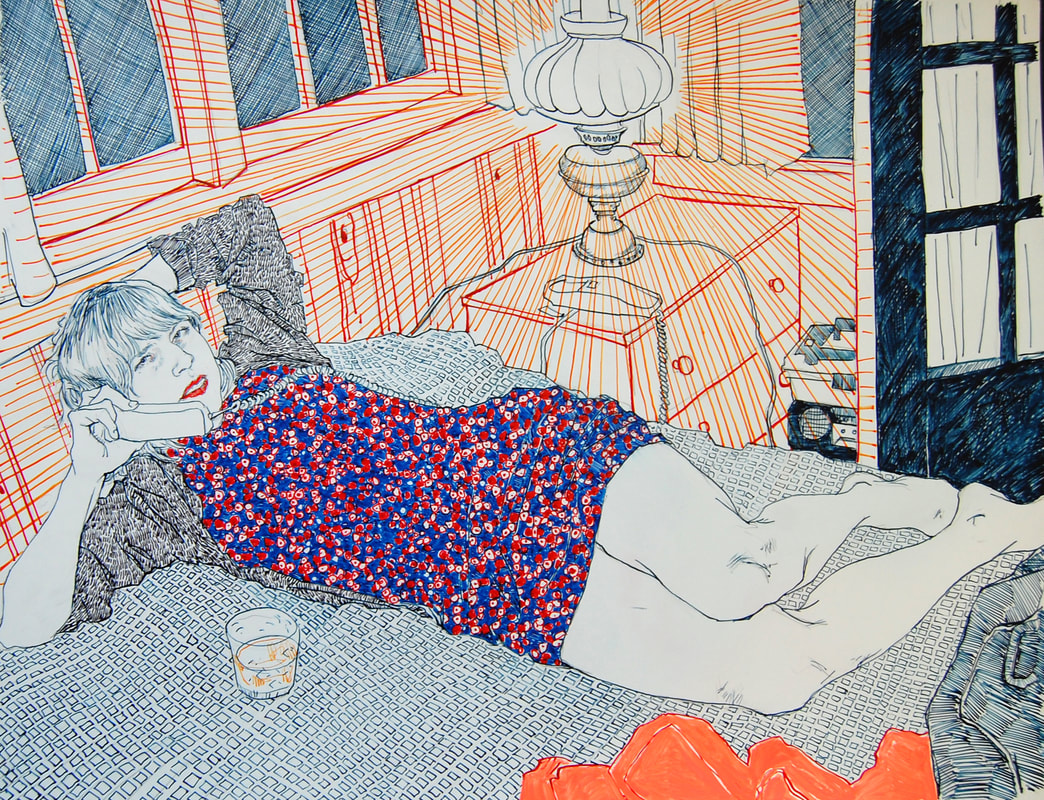 “The most uncommon color combinations do the strangest things." - Hope Gangloff I recently read an article about Hope in The New York Times - "In the Studio with an Artist who paints in a Color Trance". As a photographer who doesn't enjoy being in front of the camera (who's with me?), I can associate with Hope's desire to not have her face photographed, that simply being a painter is what matters (not her face, or her gender). I also enjoy her fiercely political nature, and that her love of art is what drives her ambition - not lucrative commissions. 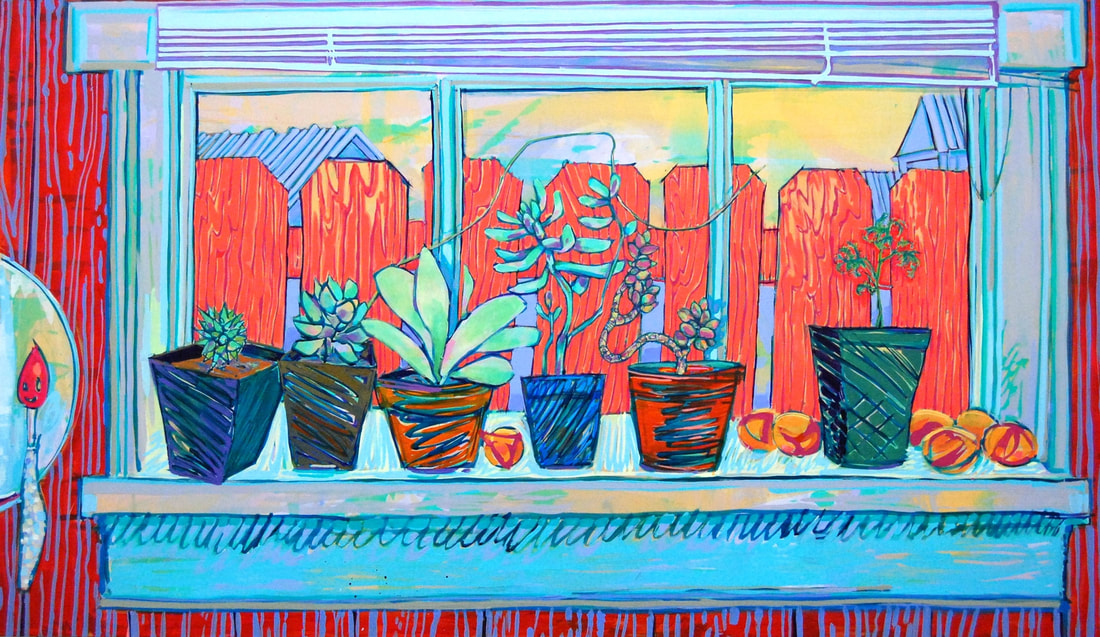 What really keeps me coming back to Gangloff's work is her David Hockney-esque ability to articulate nature and humanity in aggressive yet pleasing color interactions. That graphic quality just sings to my eye, and it is something that is not as easily achieved as you might think. There is science in that magic. An excellent reference for color interactions is Josef Albers Interaction of Color. In his book, Albers encourages readers to engage with colors that might otherwise be offensive to them, in the hopes of "overcoming their prejudices." Albers encourages experimentation through questioning, practice, and engagement, rather than just information. As one critic wrote in regards to his book, "In an age in which increased human sensibility has become such a need in all areas of human involvement, color sensitivity and awareness can constitute a major weapon against forces of insensitivity and brutalization."
I can't think of a better or more relevant explanation than that, particularly in today's news climate, on how important it is to see and understand color. Can you?
If you are interested in seeing more of Hope Gangloff - she has a show opening at the Halsey McKay Gallery in East Hampton, NY on June 30th which runs through July 31st, 2018. Or, take a peek at her website - hope-gangloff.com. I am part of a wonderful group of photographers called the Push.Pull Photography Collective. We gather monthly to show work, critique work, and network. It is a wonderful opportunity to be able to show work to other folks, while thinking critically about my own work, and helping others with theirs. This week - Thursday, May 9th at 6 pm - will be our inaugural exhibition! We will be showing at Gallery Frames, LLC on 3rd Avenue in Seattle, and all of you are invited! We will each have a piece or two that represents our work, and we owe a huge thank you to Raphael Soldi of Found Space who curated our exhibition and did a marvelous job of laying it out on the walls for us. Sexy.  Join the PUSH.PULL Photography Collective for our inaugural exhibition at Gallery Frames, LLC, curated by Raphael Soldi of Found Space. Opening night will be Thursday, May 3rd from 6 - 8 pm with refreshments and mingling. The show will be on view at Gallery Frames during open hours through the end of May.
Artists include: Michael Clements Elisa Huerta-Enochian Andrej Gregov Ish Ishmael Chris Letcher Jon MacLaren Susan MacLaren Helen Miller Anna Ream Jenny Riffle Seth Thompson |
AuthorMusings on business, womanhood, consulting, and things I find interesting. Archives
October 2022
Categories
All
|





 RSS Feed